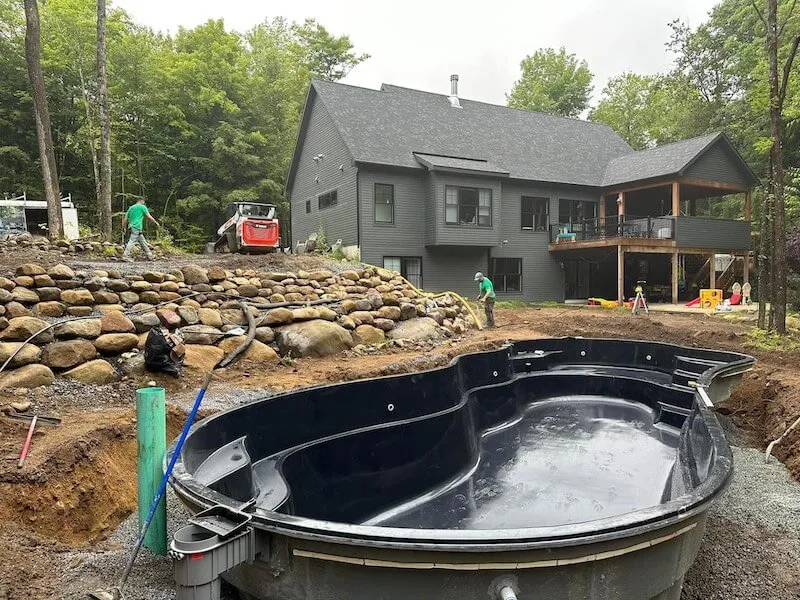
When investing in a fiberglass pool, durability is a top concern for homeowners. While fiberglass pools are known for their strength and low maintenance, their longevity heavily depends on proper installation techniques, particularly backfilling and support. Understanding these elements can mean the difference between a pool that lasts decades and one that develops costly issues over time.
Why Backfill Matters for Fiberglass Pools
Backfill refers to the material used to fill the space between the excavated ground and the pool shell after it's placed in the ground. The right backfill material and technique are crucial for providing structural support to the pool walls. Without proper backfill, the pool shell can experience uneven pressure from the surrounding soil, leading to cracks, bulging, or even catastrophic failure.
Typically, clean gravel or crushed stone is recommended as backfill material because it compacts well and allows for proper drainage. Soil or clay should be avoided as they retain water, expand when wet, and can exert excessive pressure on the pool walls. During installation, backfill should be added in small, even layers, compacted carefully to avoid voids or uneven settling.
The Importance of Support Systems
Beyond backfill, additional support systems play a vital role in maintaining a fiberglass pool's integrity. This includes the pool's base preparation and surrounding structural reinforcements. A well-prepared base—often a layer of compacted sand or gravel—ensures the pool sits evenly, preventing stress points that could lead to cracks.
Additionally, some installations may require concrete collars or braces around the pool's perimeter to provide extra stability, especially in areas with shifting soil or high groundwater levels. These reinforcements help distribute weight and pressure evenly, protecting the pool shell from external forces over time.
Long-Term Benefits of Proper Installation
Investing time and resources into proper backfill and support during installation pays off in the long run. It minimizes the risk of structural damage, reduces maintenance costs, and extends the lifespan of your fiberglass pool. Homeowners should always work with experienced contractors who understand the nuances of fiberglass pool installation to ensure these critical steps are not overlooked.
In conclusion, while fiberglass pools are inherently durable, their strength is only as good as their installation. By prioritizing proper backfill and support, you can enjoy a beautiful, long-lasting pool for years to come.