My Take on Fiberglass Inground Pool Costs in 2026
I've always believed that a fiberglass inground pool is one of the smartest backyard investments you can make. It's durable, low-maintenance compared to concrete, and let's be honest, it transforms your home into a personal oasis. But the burning question remains: how much will one of these beauties set you back in 2026? With inflation, supply chain hiccups, and regional differences, predicting costs isn't an exact science. Still, I'm diving deep into the factors that'll shape the price tag in a couple of years. Spoiler alert: it's not just about the pool itself—there's a lot more to consider.
What Drives the Cost of a Fiberglass Inground Pool?
The price of a fiberglass inground pool isn't a one-size-fits-all number. Several elements come into play, and they're likely to evolve by 2026. Let's break down the big players that will influence your budget.
1. Base Cost of the Pool Shell
The fiberglass shell—the actual pool structure—typically starts at $20,000 to $30,000 for a basic model in today's market. By 2026, I'd wager we're looking at $25,000 to $35,000 due to inflation and rising material costs. Fiberglass is made from resin and glass fibers, and if supply chains for these raw materials tighten or fuel costs for shipping spike, manufacturers will pass those expenses on to you. Size matters too; a small 10×20 pool will be cheaper than a sprawling 16×32 one.
2. Installation and Labor Expenses
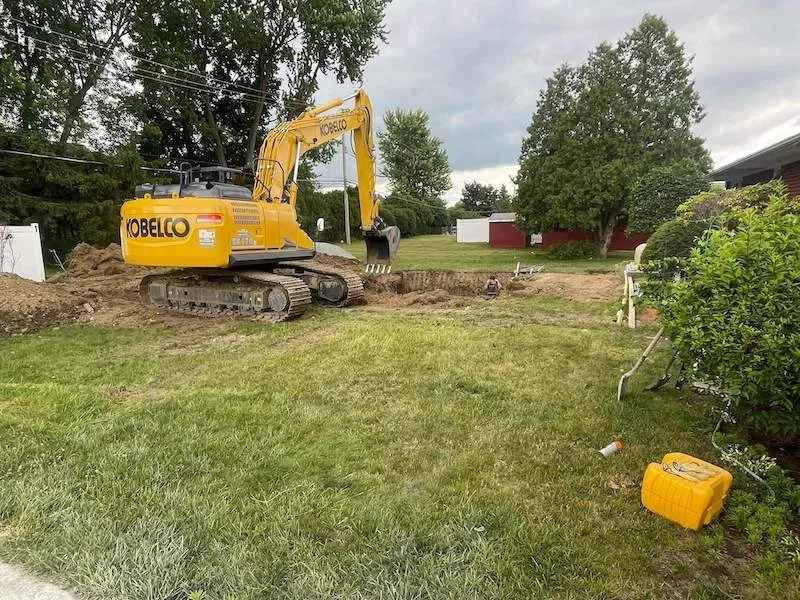
Installing a fiberglass pool isn't a DIY weekend project. You're paying for skilled labor to excavate, level, and secure the shell. Right now, labor runs $10,000 to $20,000 depending on your area. By 2026, with potential wage increases and a possible shortage of skilled workers, I'm projecting $12,000 to $25,000. If your yard has tricky terrain—think rocky soil or a steep slope—expect to pay even more for specialized equipment or extra time.
3. Additional Features and Upgrades
Let's get real: nobody stops at just the pool shell. You'll want bells and whistles like a heater, lighting, or a fancy water feature. These extras can easily add $5,000 to $15,000 today. Fast forward to 2026, and I'm guessing $6,000 to $18,000 thanks to tech advancements and higher production costs. A basic heater might cost $2,500 now but could hit $3,000. Custom steps or a tanning ledge? That's another few grand.
Regional Price Variations to Watch in 2026
Where you live plays a huge role in the final bill. I've seen massive differences based on local economies, and that's not going away in 2026.
High-Cost Areas: Urban and Coastal Zones
If you're in a big city or near the coast—think Los Angeles, Miami, or New York—expect to pay a premium. Labor rates are higher, and so are permit fees. A fiberglass pool project that costs $40,000 in a rural area could balloon to $60,000 or more in these hotspots. By 2026, I'd predict a 10-15% increase in these regions due to demand and living costs.
More Affordable Regions: Rural and Midwest
On the flip side, if you're in the Midwest or a rural Southern state, you might catch a break. Lower labor costs and fewer regulatory hoops mean a total cost closer to $35,000 to $45,000 today. In 2026, I'm estimating $40,000 to $50,000 as inflation creeps in, but it'll still be more budget-friendly than urban areas.
Hidden Costs You Can’t Ignore
I'm always shocked by how many folks forget the “extras” that aren't optional. These can sneak up on you and inflate your 2026 budget if you're not careful.
Permits and Inspections
Most municipalities require permits for pool installations, and fees range from $500 to $2,000 now. By 2026, with local governments looking to boost revenue, I wouldn't be surprised to see $750 to $2,500. Inspections might tack on another few hundred bucks.
Landscaping and Fencing
After the pool is in, your yard might look like a war zone. Landscaping to restore or enhance the area can cost $2,000 to $5,000 today, likely $2,500 to $6,000 in 2026. Safety fencing, often required by law, adds another $1,500 to $3,000—potentially more with material price hikes.
Utility Connections
Running electrical lines for pumps or heaters isn't cheap. Expect $1,000 to $3,000 now, and by 2026, I'm guessing $1,200 to $3,500 as energy regulations tighten and electrician rates climb.
Inflation and Economic Factors for 2026
I'm no economist, but it's clear that broader trends will impact pool costs in the next few years. Inflation has been a rollercoaster, and if it hovers around 3-5% annually, pool prices could jump 10-15% by 2026. Supply chain issues, like we've seen with resin shortages, could also persist, driving up fiberglass shell costs. And don't forget interest rates—if you're financing this project, higher rates in 2026 could mean pricier monthly payments.
How to Budget Smart for Your 2026 Pool
If you're set on installing a fiberglass inground pool in 2026, planning ahead is your best bet. Here's how I'd approach it.
Get Multiple Quotes Early
Start reaching out to contractors now to get a sense of current pricing and lock in relationships. By 2026, you'll have a network of trusted pros who can update their estimates as the date nears.
Factor in a Cushion
I'd add a 15-20% buffer to any estimate. If you're eyeing a $50,000 project based on today's numbers, save for $60,000 to cover unexpected hikes or add-ons by 2026.
Consider Timing
Off-season installations—late fall or winter—often come with discounts. If 2026 pricing looks steep, aim for a quieter time of year to negotiate better rates with contractors.
My Final Estimate for 2026 Costs
Putting it all together, I'm projecting the typical cost for a fiberglass inground pool installation in 2026 to range from $45,000 to $70,000. That's for a mid-sized pool with basic features, factoring in inflation, labor trends, and regional averages. Of course, if you're in a high-cost area or want a tricked-out setup, you could easily hit $80,000 or more. On the lower end, rural areas with minimal extras might keep you under $50,000.
At the end of the day, a fiberglass pool is a long-term investment in your home and lifestyle. Yes, the sticker shock might sting, but I'm convinced the joy of a backyard swim on a hot summer day makes it worth every penny. Start saving now, do your homework, and by 2026, you'll be ready to make a splash without breaking the bank.