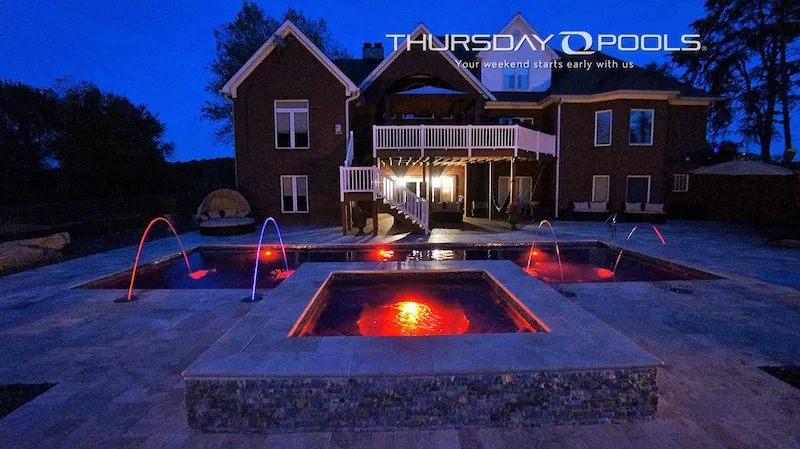
Fiberglass pools are a popular choice for homeowners due to their durability, low maintenance, and smooth finish. However, over time, the surface of a fiberglass pool can become worn, faded, or damaged due to exposure to chemicals, UV rays, and general wear and tear. This is where fiberglass pool resurfacing and gelcoat refresh options come into play, restoring the pool's beauty and extending its lifespan. In this article, we'll explore the processes, benefits, and options available for revitalizing your fiberglass pool.
Understanding Fiberglass Pool Resurfacing
Fiberglass pool resurfacing involves repairing and renewing the pool's surface to address issues like cracks, stains, or a rough texture. Unlike concrete pools that require extensive replastering, fiberglass pools have a gelcoat layer—a smooth, protective coating—that can often be repaired or replaced without major reconstruction. Resurfacing is ideal when the gelcoat is severely damaged or when there are structural concerns beneath the surface.
The process typically starts with sanding down the old gelcoat to remove imperfections, followed by repairing any cracks or blisters with fiberglass matting and resin. A new gelcoat layer is then applied, providing a fresh, glossy finish. This not only enhances the pool's appearance but also protects it from further damage. Professional resurfacing can take several days and requires draining the pool, making it a more invasive and costly option compared to a simple refresh.
Gelcoat Refresh Options for Minor Issues
If your fiberglass pool's surface isn't severely damaged but looks dull or faded, a gelcoat refresh might be sufficient. This process involves cleaning the surface thoroughly, buffing out minor scratches, and applying a new topcoat of gelcoat or a specialized polish. A refresh is less labor-intensive than full resurfacing and can often be completed in a day, making it a cost-effective solution for minor cosmetic issues.
Additionally, some pool owners opt for gelcoat paint as a temporary fix. This involves applying a marine-grade epoxy paint over the existing gelcoat. While less durable than a full gelcoat replacement, it's a quick way to improve aesthetics. However, for long-term results, professional gelcoat application is recommended.
Choosing the Right Option for Your Pool
Deciding between resurfacing and a gelcoat refresh depends on the extent of damage and your budget. For deep cracks or structural issues, resurfacing is necessary. For minor fading or surface imperfections, a refresh might suffice. Always consult a professional to assess your pool's condition and ensure the best results. With proper care, a revitalized fiberglass pool can look as good as new for years to come.